Turkey grows cotton, spins it, knits it and dyes it inside a few hundred kilometres of the Aegean coast, and that vertical proximity is why certified organic cotton works here at quantities that would be impossible elsewhere. A brand wanting 300 GOTS-certified tees has a real conversation in Izmir and a difficult one in most other origins.
The complication is that organic cotton is a chain-of-custody claim rather than a fabric property. You cannot see it, feel it or test for it in a finished garment. What you can do is follow a certificate number through a public database, and if you are not doing that you are buying a story.
Izmir's place among the six Turkish clusters is set out in the clothing manufacturers guide. This guide covers where Turkish organic cotton actually comes from, what GOTS and OEKO-TEX each certify, how to verify a claim in about two minutes, what minimums are realistic, and where the label gets stretched.
Note: Turkey Clothing Factory is a group of documented clothing factories in Turkey, producing for brands from 100 units. Ranges in this guide are given as market ranges, not as quotes from a specific factory. We confirm exact MOQ and price with the factory when you send a brief.
Key takeaways
- Organic is a chain-of-custody claim, not a property of the fibre you can test for in a garment.
- GOTS certifies the processing chain. OEKO-TEX certifies the absence of harmful substances. They are not alternatives.
- The Aegean region around Izmir puts growing, spinning, knitting and dyeing close together.
- Verify by certificate number in the issuing database, never a PDF sent by email.
- Your own scope matters. A mill's certificate does not automatically cover your order unless you are on a transaction certificate.
- Minimums run higher than conventional cotton, typically 300 to 500 pieces.
- Certified goods still enter the EU and UK duty-free on the same terms as anything else.
Have a product in mind? Tell us the product, quantity and timeline and our team replies within 24 hours. Send a brief →
Where Does Turkish Organic Cotton Come From?
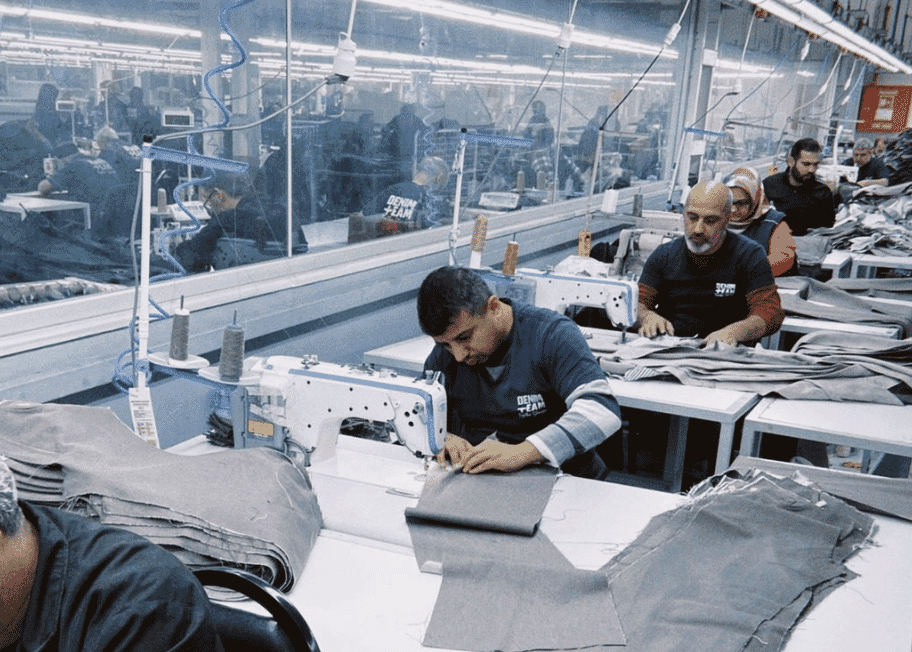
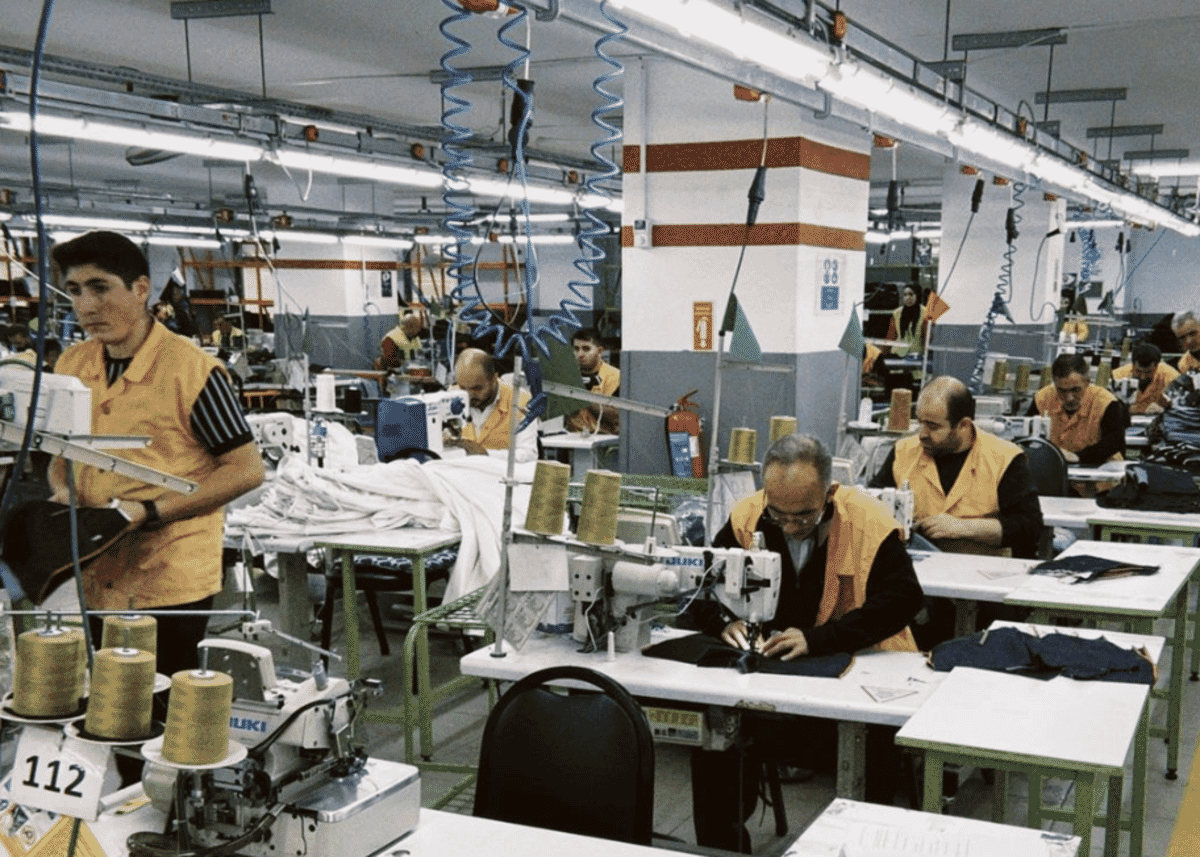
Mostly the Aegean region, and the geography is the commercial argument rather than a piece of colour. Cotton growing, ginning, spinning, knitting and dyeing sit within a few hundred kilometres of each other around Izmir, which means a certified chain can be assembled without the fibre crossing a border or changing hands four times.
That matters for a specific reason. Every transfer in an organic chain is a point where custody must be documented, and every additional country adds a certifier, a language and a delay. A short chain is a cheaper chain to certify and a faster one to audit.
The practical consequence is minimum order quantity. Where the certified yarn is spun locally and the knitter is an hour away, a 300-piece run is an inconvenience rather than an impossibility. Where certified yarn has to be imported, the same order stops being viable.
Turkey is also a long-standing organic cotton origin rather than a recent entrant, which shows up in the depth of certified processors rather than in the fibre itself. The fibre is cotton. The infrastructure around it is what you are actually buying.
Citation Capsule: Turkish organic cotton is concentrated in the Aegean region around Izmir, where growing, ginning, spinning, knitting and dyeing sit within a few hundred kilometres. Short certified chains reduce the number of custody transfers requiring documentation, which lowers certification cost and makes smaller certified production runs commercially viable.
What Do GOTS and OEKO-TEX Actually Certify?
Different things, and brands conflate them constantly. GOTS certifies the organic content and the processing chain, including social and environmental criteria at each stage. OEKO-TEX tests the finished product for harmful substances. A garment can hold one, both or neither, and each answers a different question.
| GOTS | OEKO-TEX Standard 100 | |
|---|---|---|
| Certifies | Organic content and the processing chain | Absence of harmful substances in the finished item |
| Covers the farm? | Yes, via the organic fibre standard | No |
| Covers social criteria? | Yes | No |
| Tells you it is organic? | Yes | No. A conventional cotton tee can hold it |
| Verified via | Public supplier database | Label Check by certificate number |
Sources: Global Organic Textile Standard certified supplier database; OEKO-TEX Label Check. Both are public and searchable without an account.
The common error is treating OEKO-TEX as evidence of organic. It is not, and a supplier offering OEKO-TEX when you asked about organic has either misunderstood the question or is hoping you will. Neither is a reason to walk away, and both are a reason to ask again more precisely.
There is a third layer worth knowing. Textile Exchange runs standards covering recycled content and responsible fibre sourcing, which answer different questions again. If your claim is about recycled polyester rather than organic cotton, that is the database you want.
Citation Capsule: GOTS certifies organic fibre content alongside processing, environmental and social criteria through the supply chain. OEKO-TEX Standard 100 certifies that a finished product is free from specified harmful substances and makes no organic claim. A conventional cotton garment can hold OEKO-TEX certification, so it is not evidence of organic content.
How Do You Verify an Organic Claim?
By certificate number, in the issuing database, in about two minutes. This is the single most useful skill in sourcing certified goods and almost nobody does it, which is why claims get stretched. It pairs with checking the company itself, which takes about as long. A PDF emailed by a supplier proves nothing at all, because it may be expired, may belong to another company, or may cover a scope that excludes your product.
Ask for the certificate number, not the certificate. Then search it in the GOTS certified supplier database. Four things to read when it comes up.
Whose name is on it. If the certificate belongs to a mill and you are buying from a trading company, the trading company is not certified. That may be fine, and it changes who is accountable.
What scope it covers. Certificates list the processes and product categories covered. A certificate covering knitting does not cover dyeing.
Whether it is current. Certificates expire annually. An expired certificate is not a certificate.
Whether your order sits inside it. This is the one buyers miss: scope certification is not the same as a transaction certificate for your specific shipment. Ask which you are getting.
Citation Capsule: Organic claims are verified by searching the certificate number in the GOTS certified supplier database. Four things are checked there: whose company name appears on the certificate, and which processes and product categories the scope covers. Then whether the certificate is current, and whether a transaction certificate will be issued for the specific shipment.
Two minutes, five checks
- Certificate number requested, not a PDF
- Company name on the certificate matches who is invoicing you
- Scope covers the processes your order actually needs
- Expiry date is in the future
- Transaction certificate confirmed for your shipment, not just scope certification
Scope certification says the company can produce certified goods. A transaction certificate says your goods were. Most disputes are the gap between those two sentences.
What Minimums Should You Expect?
Higher than conventional, and the gap is smaller in Turkey than almost anywhere. Certified organic yarn is produced in specific lots, the dyeing must use approved chemistry in a certified facility, and both of those set floors that conventional fabric supply does not carry. As an indicative market range, the certified minimum sits near 300 pieces where conventional sits at 100.
| Product | Conventional | GOTS certified | What adds the gap |
|---|---|---|---|
| Cotton jersey tee | 100 pieces | 300 pieces | Certified yarn lot |
| Knit polo, sweatshirt | 150 to 250 | 300 to 500 | Yarn lot plus trims |
| Custom colour, any knit | Add 100 to 200 | Add 200 | Approved dye chemistry, certified dyehouse |
| Woven, commissioned fabric | 1,000 | 1,000 and up | The mill minimum dominates either way |
Indicative market ranges, not quotes from any named mill. We confirm exact MOQ and price with the factory when you send a brief.
The useful lever is undyed or stock-colour goods. Certified dyeing is where a large part of the added minimum sits, so a natural or ecru product, or one using a colour the dyehouse already runs certified, can land close to conventional minimums.
Price carries a premium too, and it sits on the fibre rather than on the finished garment. The fibre premium is not a fixed number: it swings with supply, and in October 2021 the Bremen Cotton Report put organic cotton from India and Turkey at more than 60 percent over conventional, after a far smaller gap a year earlier (Apparel Insider). Ask for a current quote rather than planning on a fixed percentage. Since fibre is only part of the fabric cost and fabric is often around half of FOB, the effect on the unit price is smaller than the fibre premium suggests.
Citation Capsule: GOTS certified production carries higher minimum order quantities than conventional, with certified cotton jersey typically workable from 300 pieces against 100 conventionally. The gap is driven by certified yarn lot sizes and approved dye chemistry in certified facilities, so undyed or stock-colour goods can approach conventional minimums.
No tech pack yet? Factories quote from specifications, not from photographs. A factory-ready single-style tech pack is $79: measurements, construction, fabric, trims and labelling in the format a Turkish factory costs from.
Where Does the Label Get Stretched?
Four places, and none of them require anybody to lie outright, which is what makes them persistent. Organic claims get stretched through ambiguity far more often than through fabrication, and the ambiguity usually originates with a supplier who genuinely believes what they are telling you. That is precisely why the certificate number matters more than the conversation does.
"Organic cotton" without certification. The fibre may genuinely be organically grown and the chain uncertified. That is a real product and it is not a GOTS product, and only one of those can be claimed on a label in most markets.
Certification at one stage only. A mill certified for knitting whose dyehouse is not certified produces a garment that cannot carry the GOTS label, even though a certificate genuinely exists.
Scope certification presented as transaction certification. The company can make certified goods. Whether yours were is a different document.
Blends described loosely. GOTS has content thresholds. A garment with some organic cotton is not automatically a GOTS garment, and the percentage is the question.
| What you are told | What it may mean | The question to ask |
|---|---|---|
| "Our cotton is organic" | Organically grown, chain uncertified | Is it GOTS certified, and what is the number? |
| "We are GOTS certified" | One stage certified, not the whole chain | What processes does your scope cover? |
| "Here is our certificate" | Scope certification, not your shipment | Will I get a transaction certificate? |
| "It contains organic cotton" | A blend below the labelling threshold | What percentage, and against which standard? |
Compiled from published GOTS documentation and common supplier practice. None of these statements is necessarily untrue; each is incomplete.
None of these is unusual and most are honest confusion at the supplier's end rather than deception. The check is the same in every case, and it takes two minutes.
Citation Capsule: Organic claims are most often stretched through ambiguity rather than fabrication. Uncertified organically grown fibre is described as organic, or certification covering one processing stage is presented as covering the chain. Scope certification is offered in place of transaction certification, and blended products are described without reference to content thresholds.

Does Certification Change the Duty Position?
No, and it is worth stating plainly because buyers occasionally assume it must. Certified organic goods from Turkey enter the European Union duty-free under the Customs Union, and the United Kingdom at zero tariff, on exactly the same terms as conventional goods (European Commission). Certification is a market claim made to your customer rather than a customs claim made to an authority, and the two systems do not touch.
What does change is documentation volume. A certified shipment carries transaction certificates alongside the A.TR or origin statement, and those are issued by the certification body rather than by customs. They are separate systems and neither substitutes for the other.
One practical note for UK buyers. Rules of origin still apply regardless of certification, so a GOTS garment made in Turkey from imported certified fabric can fail the origin test and lose the zero tariff. The certificate does not help with that (UK Government).
Citation Capsule: Organic certification does not affect the customs position of Turkish goods, which enter the European Union duty-free under the Customs Union and the United Kingdom at zero tariff on the same terms as conventional products. Certification and customs are separate documentation systems and neither substitutes for the other.
Is It Worth It?
If the claim is going on the label and your customer is demonstrably paying for it, yes. If it is destined for a sustainability page nobody reads, the money is almost certainly better spent elsewhere in the product. Certification costs real money and delivers one specific, defensible, auditable claim in return, and that claim is worth exactly as much as your particular market values it and not a penny more.
The argument for doing it in Turkey specifically is the minimum. A brand wanting 300 certified tees can get them here, which is not true in most origins, and that makes certification viable at a scale where it would otherwise be a project for next year.
The argument against is that certified is not the same as better, and customers who cannot tell the difference will not pay for it. That is a marketing question rather than a sourcing one, and it should be answered before the yarn is ordered rather than after.
Four ways the claim gets stretched
- Uncertified organic fibre described as organic. Real product, not a GOTS product
- One stage certified, such as knitting but not dyeing. The garment cannot carry the label
- Scope certification presented as transaction certification for your order
- Blends described without reference to content thresholds
Most of these are honest confusion at the supplier's end rather than deception. The check is identical in every case and it takes two minutes.
Buying Organic Cotton From Turkey
Ask for the certificate number and then actually check it in the database. That single habit is what separates brands who know what they are buying from brands repeating what a supplier told them in an email, and it costs about two minutes per supplier. Nothing else in this guide matters as much.
Then be precise about scope, because the gap between a company that can make certified goods and a shipment that was certified is where every dispute in this category lives. Ask for the transaction certificate by name.
And if the minimum is the obstacle, look at undyed or stock colours before giving up. Certified dyeing carries a large share of the added minimum, and removing it brings the number back within reach.
Frequently Asked Questions
How do I verify organic cotton from Turkey?
Ask for the GOTS certificate number rather than a PDF, then search it in the public certified supplier database. Check whose company name appears on it, what processes the scope covers, whether it is current, and whether a transaction certificate will be issued for your specific shipment.
Is OEKO-TEX the same as organic?
No. OEKO-TEX Standard 100 certifies that a finished product is free from specified harmful substances and makes no claim about organic content. A conventional cotton garment can hold it. GOTS is the standard that certifies organic fibre content and the processing chain.
What is the minimum order for GOTS certified clothing in Turkey?
Around 300 pieces for certified cotton jersey, against roughly 100 conventionally. The gap comes from certified yarn lot sizes and approved dye chemistry. Undyed or stock-colour goods avoid much of the dyeing minimum and can land closer to conventional quantities.
How much more does organic cotton cost?
The premium sits on the fibre and moves with supply: in October 2021 the Bremen Cotton Report put Indian and Turkish organic cotton at more than 60 percent over conventional, so ask for a current quote. Because fibre is only part of the fabric cost and fabric is often around half of FOB, the effect on unit price is smaller, though certified dyeing and lower volumes add cost beyond the fibre premium itself.
Does organic certification affect import duty?
No. Certified goods from Turkey enter the European Union duty-free under the Customs Union and the United Kingdom at zero tariff on the same terms as conventional goods. Certification and customs are separate systems, and rules of origin still apply to UK shipments regardless.
Send the product, the piece count and whether you need GOTS on the label. We place your production with the factory in our group that holds the right certified scope, normally within 24 hours, and you get the certificate number to check yourself. No commissions. No markups. The factory bills you directly.
Get in contact Download the directory ($49)Need a tech pack? Get a factory-ready single-style tech pack for $79. See what's included.
Editorial note: all company names, certification marks and trademarks referenced here are the property of their respective owners. MOQ and cost figures are indicative market ranges, not quotes from any individual factory, and they vary by product, fabric and season. Customs positions continue to move. Always verify your own classification and confirm terms directly with the factory before committing.
Sources
- Sheng Lu, FASH455, University of Delaware (2025): WTO-based analysis of global textile and apparel trade.
- US Census Bureau: Trade in Goods with Turkey, the official monthly import and export series.
- European Commission, Access2Markets: the EU-Turkey Customs Union and what it covers.
- European Commission, Taxation and Customs Union (2024): electronic A.TR movement certificate rules.
- Irish Revenue: Turkey Customs Union and preferential origin, including A.TR and EUR1 treatment.
- Istanbul Apparel Exporters Association: Turkish apparel export sector profile and membership.
- Apparel Insider (2021): organic cotton price premiums from India and Turkey, citing the Bremen Cotton Report.
- Global Organic Textile Standard: public database of GOTS-certified suppliers.
- Textile Exchange: certified company finder for recycled content and responsible fibre standards.
- OEKO-TEX Label Check: public verification of certificate numbers.
- amfori BSCI: social audit system documentation.
- USITC Harmonized Tariff Schedule: the current classification schedule and duty rates.
- US Customs and Border Protection: tips for new importers, including importer-of-record responsibility.
- European Commission, Directorate-General for Trade (2025): EU trade relations with Turkey, including bilateral trade values and partner ranking.
- UK Government: summary of the UK-Turkey trade agreement, in force since 1 January 2021.